Disinfecting a clinic or gym so it actually works
Disinfectant only works when the surface is clean first and stays wet long enough, which is where most routines slip.
October 27, 2026 · 3 min read
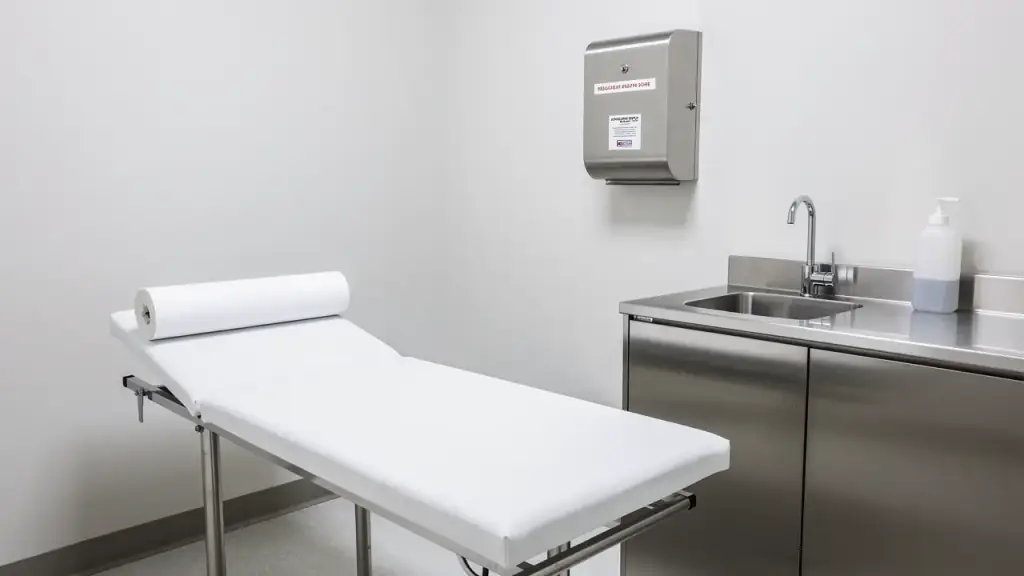
Walk through a medical office or a gym and you'll see the same thing: someone has sprayed something on the surfaces and wiped it off within seconds. It looks like disinfecting. Most of the time, it's closer to a quick rinse. Disinfecting is a process with steps, and skipping any of them takes away most of the benefit.
Clean first, then disinfect
Disinfectants don't cut through grime well. Skin oils, dust, sweat residue and spilled coffee form a layer that shields what's underneath. If you apply disinfectant on top of that, you're treating the dirt, not the surface. So the first pass is plain cleaning with a neutral pH or alkaline cleaner, which lifts soil and grease. Then the disinfectant goes onto a surface that's ready for it.
That's why a proper routine takes two passes on the surfaces that matter most. It sounds slower, but a trained crew works it into a single walk through the room, and the result is far more dependable than one spray that never had a chance to do its job.
What dwell time means
Every disinfectant has a contact time on its label, the length of time the surface has to stay visibly wet for the product to work. Different products need different times, and some need several minutes. If the surface dries sooner or gets wiped off early, the product hasn't finished its job.
In practice, that means applying enough product to keep the surface wet, working in an order that lets the first surfaces sit while the crew moves on, and returning to wipe dry after the time has run. Reading the label for each product, every time, is simple and it's the part most often skipped.
Touchpoints deserve the most attention
Germs spread mostly through hands, so the surfaces hands touch get the heaviest focus. In a clinic or medical office, those include door handles, light switches, reception counters, pens, chair arms, faucet handles, sink basins, exam table edges and the keypad on the card reader. In a gym, add equipment handles, weight racks, bench pads, cardio machine screens, locker handles and the water fountain.
A good crew keeps a written list for each site, so nothing gets forgotten on a busy night. We build that list during the walk-through, since every facility has quirks. The handle nobody thought about, like the one on the supply closet, can be the one the whole staff touches fifty times a day.
Rooms that need their own routine
- Exam rooms: counters and sinks disinfected, table cleaned and fresh paper put on, floor mopped last.
- Washrooms: fixtures disinfected, bowls cleaned with an acid-based porcelain cleaner, and supplies restocked.
- Waiting areas: seat arms, tables and shared items wiped, and floors vacuumed or mopped.
- Locker rooms and showers: benches, handles and floors cleaned and disinfected, with attention to drains.
- Gym floors and mats: cleaned daily and disinfected where bare skin makes contact.
Products, materials and people
Not every surface tolerates every product. Stainless steel, vinyl upholstery, sealed wood, fabric and plastic react differently, and a harsh disinfectant can crack a bench pad or dull a screen. Matching the product to the material protects your equipment, and it means the surfaces you paid for last longer.
Some facilities also prefer greener products. We offer green cleaning, using products that meet recognized standards such as GREENGUARD, Green Seal and EPA Design for the Environment. Those are standards the products carry, not accreditations we hold ourselves, so the label on the bottle is what to check. Tell us if you have patients or members with sensitivities, and we'll plan around it.
Frequency and timing
For most clinics and gyms, touchpoints and washrooms are a daily job, with deeper work on a weekly or monthly rhythm: wall washing, vent and air handler cleaning, carpet and upholstery care, and floor refinishing. Gyms with heavy morning traffic often need a pass before opening and another after close. A medical office is usually best cleaned after the last appointment, so the work can run without patients in the rooms.
Between visits, staff can help with a small kit at the front desk and a habit of wiping up spills as they happen. A cleaning contractor does the heavy lifting, but it's easier when the building isn't fighting you in between.
If you run a clinic, medical office or gym in Belmont, we'd be glad to look at your space. Call (650) 458-1212 and a consultant will visit for a free estimate, learn your touchpoints and schedule, and put together a routine that fits your hours. You won't have to move a thing.
Cal-State Building Maintenance, (650) 458-1212
Call (650) 458-1212More articles
What a commercial cleaning estimate walk-through actually covers
A number given over the phone is a guess, and the walk-through is where a cleaning estimate becomes something you can plan around.
Strip and wax, or burnish? Choosing the right fix for tired hard floors
A full strip is the right call sometimes, but plenty of floors only need a burnish or a scrub and recoat.