What a commercial cleaning estimate walk-through actually covers
A number given over the phone is a guess, and the walk-through is where a cleaning estimate becomes something you can plan around.
October 27, 2026 · 4 min read
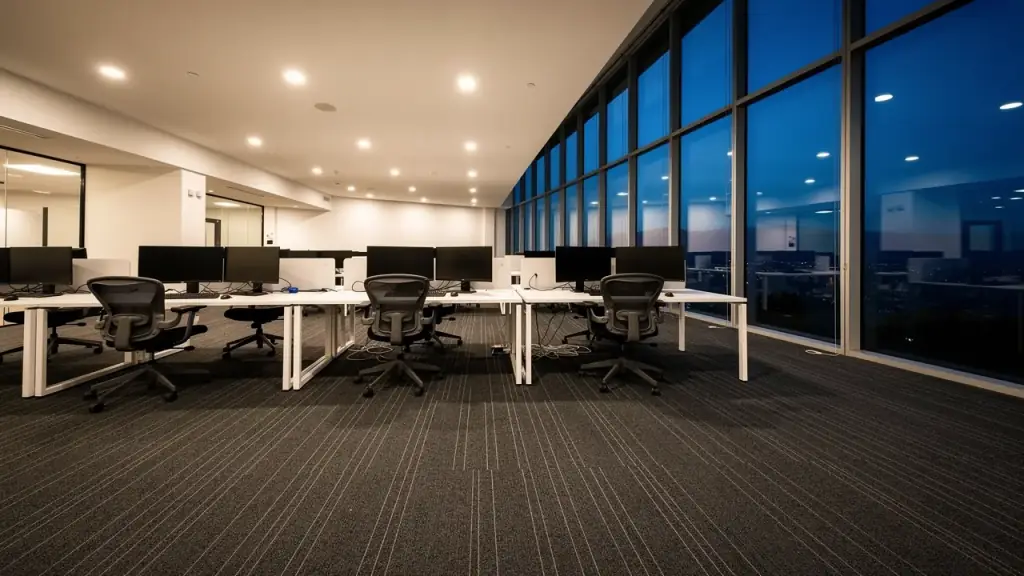
Most facility managers who call for a cleaning quote expect a number over the phone. Anyone who gives you one without seeing the building is guessing, and you'll pay for that guess one way or another, either as a surcharge later or as corners that never get cleaned. A proper walk-through takes less time than you'd expect, and it settles most of the questions before anyone signs anything.
Why we look at the building first
Two offices with the same square footage can need completely different work. One has hard floors throughout and a small kitchenette. The other has carpet tile, a full break room, three washrooms and a glass-walled conference room that collects handprints every day. The size on the lease tells you almost nothing about the labor involved.
At Cal-State Building Maintenance, a consultant visits your facility for a free estimate, with no obligation. That visit is how the number gets built. You get a price based on your rooms, your floors and your schedule, not on a formula that treats every building in Belmont the same.
What the consultant actually looks at
Floors come first, because they drive most of the time and most of the equipment. Carpet, vinyl composition tile, terrazzo, polished concrete, ceramic tile and stone each want different machines and different chemistry. The consultant walks the traffic lanes, notes where the finish has worn through, checks for stains that have set, and asks what the floors have been through lately. A hallway that gets rolling carts all day is a different animal from a reception area that gets visitors in dress shoes.
Next come washrooms and kitchens, the rooms people use to judge a whole building. How many fixtures, how many stalls, what gets restocked and by whom, whether the lunchroom has a full kitchen or just a sink and a coffee maker. Touchpoints get counted too: door handles, elevator buttons, light switches, shared appliances. Those are the surfaces where germs travel, and they decide how much of the nightly routine is wiping rather than vacuuming.
Then glass, walls, ceilings and vents. A lot of glass adds real time. Wall washing, ceiling cleaning and air handler and vent cleaning are separate jobs from nightly janitorial work, and the walk-through is where you decide which ones are one-time projects and which belong on a schedule.
What to have ready when the consultant arrives
You don't need to prepare a binder. A few answers, though, will make the estimate tighter and save you a second visit:
- Which areas must be finished before your staff arrives, and which can wait until later in the day.
- Any rooms with restricted access, such as server rooms, labs or file rooms.
- The hours the building is empty, so crews can work without stopping and starting.
- Surfaces that were damaged by past cleaning, so nobody repeats the mistake.
- Staff with allergies or chemical sensitivities, so product choices can account for them.
What's in the estimate, and what isn't
Here's a question worth asking any contractor: what's included? In our case, the estimate covers all supplies, labor, equipment, tools and chemicals. There's no separate line for mop buckets or stripping machines showing up on a later invoice. If a competing quote looks cheaper, check whether it leaves those items out. A low number that excludes the equipment isn't actually lower.
You also don't have to move furniture or clear your day around the crew. Carry on with your work and we pick up from there. If a specific room needs to be cleared for floor work, we'll say so at the walk-through, and we'll plan it for a time that suits you.
Matching the package to the building
Not every building needs daily service. A small office might do well with two visits a week and a deeper clean once a month. A clinic or a gym needs touchpoints and washrooms handled every day. A warehouse might need floors and break rooms on a steady schedule with project work, like ceiling cleaning, booked separately. Packages can be built around your budget and your schedule, which is the point of looking at the space before quoting it.
Pay for the frequency the building needs, and don't skimp on the rooms that carry the risk. Washrooms, kitchens and entrances are where a cleaning budget does the most good. Carpet shampooing and window work can often move to a quarterly or seasonal rhythm without anyone noticing a drop in standards.
Comparing quotes fairly
When you collect two or three estimates, line them up on the same terms. Check the days and hours of service, the rooms and surfaces covered, the project work included, and who supplies the products and equipment. If one contractor never set foot in your building, treat that number with caution. Ask how emergencies are handled too. Our phones are answered around the clock for urgent custodial work, which matters the day a pipe lets go on a Sunday.
If you manage a building in Belmont and want the walk-through done, call (650) 458-1212. We'll set a time, look at the space with you, and give you an estimate you can compare line by line. No pressure, and no charge for the visit.
Cal-State Building Maintenance, (650) 458-1212
Call (650) 458-1212More articles
Strip and wax, or burnish? Choosing the right fix for tired hard floors
A full strip is the right call sometimes, but plenty of floors only need a burnish or a scrub and recoat.
The final clean after construction, and why drywall dust is the real job
A space can look finished and still be coated in fine dust, which is why the final clean runs top to bottom.